Monetize every transaction flowing through your platform

Monetize every transaction flowing through your platform

Embedded Financial Products Advisory for Platforms and SaaS Vendors

Today, many platforms and SaaS providers process payments running through their systems using third-party processors.  These third-party processors are enjoying meaningful profits while not always sharing this margin with their hosts.  One of the most poignant trends in payments today is taking payments “in house” allowing platforms to capture the these profits.   In these cases, platforms partner with acquirer-processors like Adyen, Stripe, Worldpay, Rainforest, etc., which sponsor the platforms into the card networks.  The payments industry has coined the phrase, embedded financial products (EFP,) which now generally includes payments, loans, bank accounts and card issuing.

As the electronic payments industry expands, many believe EFP will remain a hot topic for platforms and SaaS vendors. This is in no small part driven by management boards and private equity partners demanding margin growth.  Bringing payments in-house, however, is not trivial, and entails certain risks.  A principal aspect of my offering is helping platforms determine whether monetization of these payments is actually worth it.  

If a platform decides to monetize payments or other EFPs, my expertise includes a large menu of specialized topics designed to help you succeed in a thoughtful and methodical way.

Look for more details below and. . . . let this expertise work for you.

FinTech ExpertsSaaS Specialized

A menu of expertise for every stage

Are embedded payments right for you, and if so, how do you get there?

Embedded payments basics

Embedded payments basics

Your CEO, board or even private equity partners have “expressed great interest” in growing revenues by bringing payments in house. The only problem is you've been relying on third-party processors and are not an authority on what needs to happen. Let us walk you through basics of embedded payments. A great introduction to the following stages in your journey.

Making the go/no-go decision

Making the go/no-go decision

Now that you know the basics, it's time to decide if bringing in payments even makes sense. These types of decisions can be career changing . . . not always in a good way. We'll help you develop a solid revenue model based on existing customers, new customers and realistic growth rates everyone can agree upon.

Choosing an appropriate model

Choosing an appropriate model

Once you've made the decision to move forward, there are several business models to choose from. Should you become a payment facilitator (PayFac) or pursue something lighter like utilizing a PayFac as a Service (PFaaS) provider? We’ll help you understand the intricacies of each model, including your contracts with acquirers and submerchants.

Choosing an acquirer/processor

Choosing an acquirer/processor

Platform—Acquirer partnerships are notoriously sticky. Integration costs can be high and demanding on your organization. The longer you operate together as partners, the harder the bonds are to break in case a change is required. This is therefore a decision you want to get right the first time. We know the industry, we know the players. We’ll help you generate the criteria needed to select the right partners. We’ll manage soft or hard RFP processes on your behalf. Most importantly, we’ll help you decide. This is also the stage where we will define “table-stakes” features for your segment strategies.

Partner Integration

Partner Integration

We’ve been through hundreds of payments integrations on both the merchant and platform levels. You may have a rock-solid engineering team, but if they have not worked on payments, they could get off to a rocky start. Do you outsource the integration? Does your acquirer have a reputable stable of integration partners? Will your chosen partner provide monetary integration incentives? These are all questions we can answer, and if asked, we can even become part of the integration cadence.

Go-to-market menu of services

So, bringing payments in-house makes sense, and your integration is finally underway. You expect to go live in four to six months. There is no better time to loose the commercial engine that will be driving revenue growth. We’ve had more than 25 years’ experience covering all of the topics below.

Go-to market I – Organizational readiness

Go-to market I – Organizational readiness

Make no mistake, payments can be very competitive, but we will have factored this in during the go/no-go process. Your organization needs to be prepared with reasonably seasoned payments personnel if you wish to succeed at the fastest possible rate. Depending on the size of the platform, this could mean up to 3 FTEs in the areas of payment operations, fraud and sales. The good news is that if you already have a sales team in a technical field (let’s say SaaS,) then these folks can generally be trained to sell payments as well . . . and make more money. If not, let’s talk. Smaller platforms can usually get away with a payments generalist at first, and add headcount as growth permits. In any case, We will help you generate job descriptions and introduce you to industry recruiters.
Go-to-market II – Customer segmentation and qualification

Go-to-market II – Customer segmentation and qualification

We all pretty much know why it is essential to perform customer segmentation. In our exercise, however, we will focus on qualifying prospects based on product features, pricing strategy and resource allocation. Product features are a topic we will have already visited during vendor selection.

Go-to-market III – value propositions and USPs

Go-to-market III – value propositions and USPs

We’ll help you build a comprehensive statement explaining the value a customers receive by doing business with you.  This will answer the client’s question: “How will this make my business and life better.”  Here we will define the customers’ problems, how your offering solves these problems, and what are any additional benefits.  We’ll work with your team to develop defensible differentiators and demonstrate that you sell a unique solution.  Often this is where you tie payments into the value of your core product.

Go-to-market IV – Packaging and pricing

Go-to-market IV – Packaging and pricing

Probably as important as any other go-to market factor, winning deals often comes down to pricing.  Unfortunately pricing in the payments space is notoriously complex given the number of players in the value chain . . . schemes, issuers, processors, acquirers, etc.  As part of our go/no-go assessment, we already examined what pricing your markets will bear.  Here we will examine competitor pricing and how to get that intelligence.  We’ll take an analytical approach to understanding pass-through and blended pricing and when to use them.  We’ll also discuss creative pricing and providing customers with monetary incentives.  If asked, we will even work with your sales teams on specific strategic deals.

Go-to-market V – Marketing tactics and conversion

Go-to-market V – Marketing tactics and conversion

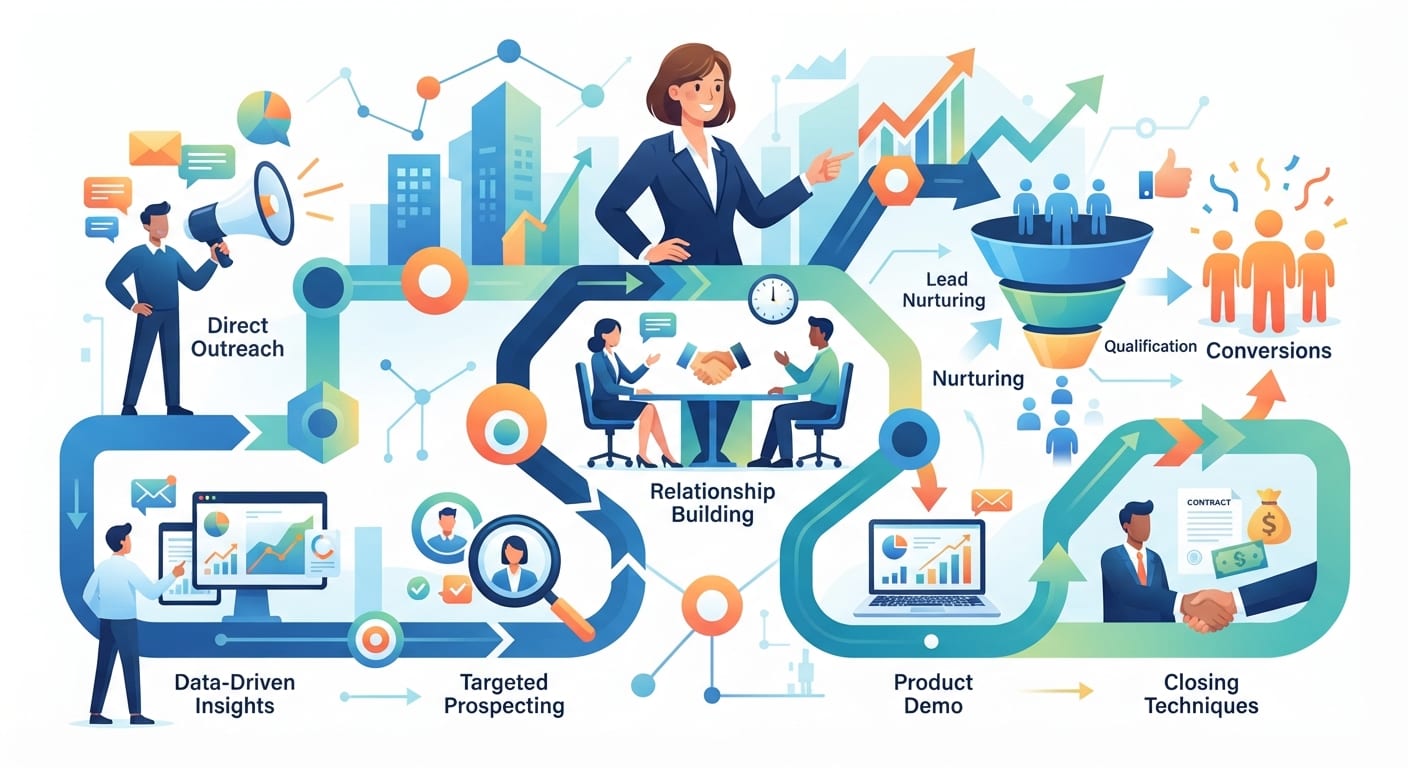
We’ll help you understand how classic payments marketing activities can be applied to your industry.  Starting at the top of the funnel, we assist in developing actions that develop customer interest.  We’ll look once again at qualification, and how to nurture prospects that may not be quite ready to make the move.  We’ll work with your marketing team to develop content and make media decisions.  We’ll help you develop marketing activities that ethically focus on urgency, giving prospects a reason to act sooner than later.

Ready to consider monetizing your platform's payments?

Schedule a free consultation